Celta-Osasuna Postponed: How Fixture Changes Could Impact the Title Race
Celta-Osasuna Postponed: How Fixture Changes Could Impact the Title Race
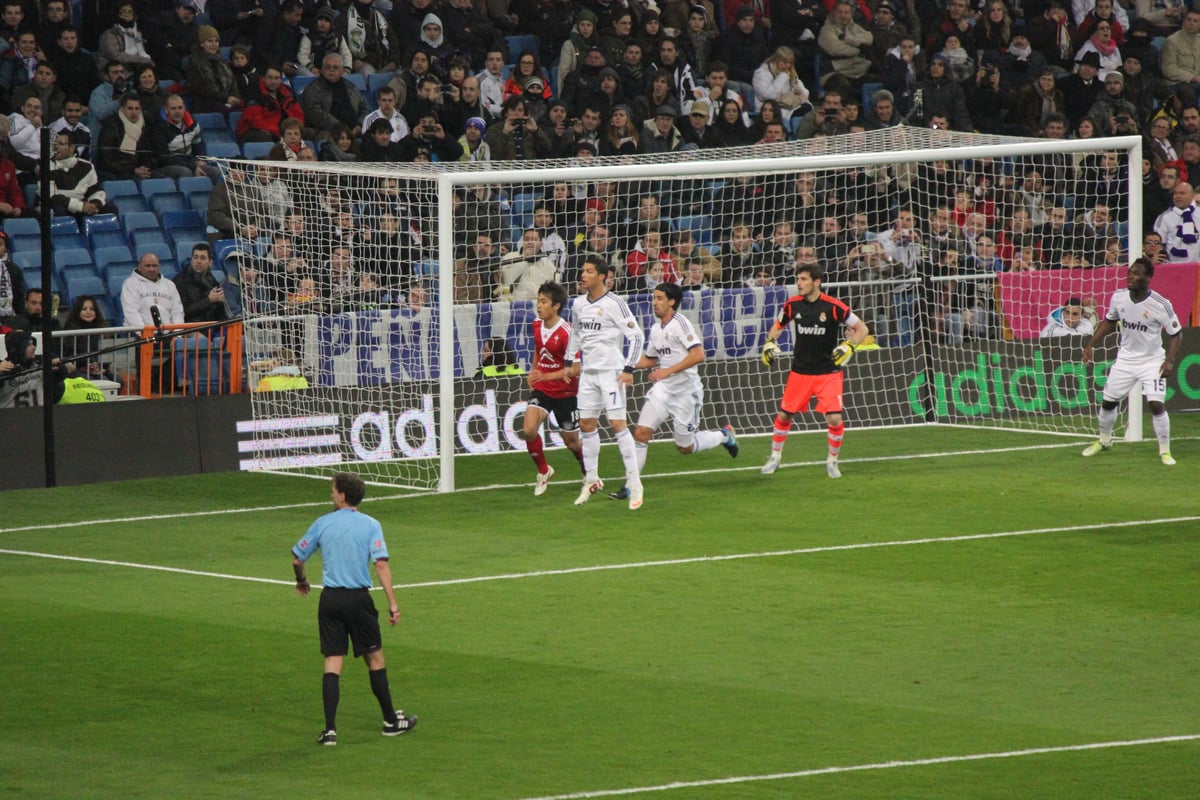
In a title race where marginal gains matter, these scheduling asymmetries accumulate.
La Liga’s decision to postpone the Celta-Osasuna clash until August 27th following a double pitch inspection at Balaídos exposes a simmering tension in Spanish football: the fragile balance between fixture scheduling and competitive integrity in a title race that demands perfection.
On the surface, this is a routine administrative matter. The Galician club’s pitch failed inspection standards twice, forcing La Liga’s hand. Yet the timing cuts deeper. As the season approaches its critical opening weeks, when early momentum shapes narratives and psychology hardens around contenders, fixture postponements become more than inconveniences—they become advantages and disadvantages unevenly distributed.
Celta now faces a compressed schedule, squeezing their opening matches into a tighter window while rivals establish rhythm and consistency. For Osasuna, the delay offers unexpected breathing room, a chance to fine-tune preparation while others are already battle-tested. In a title race where marginal gains matter, these scheduling asymmetries accumulate.
The broader issue haunts La Liga: infrastructure standards that force last-minute changes suggest inadequate investment in facilities or planning. Balaídos is a historic ground, but history alone doesn’t guarantee pitch quality in modern football’s relentless fixture calendar. If clubs cannot guarantee playable surfaces, La Liga must enforce stricter pre-season deadlines rather than scrambling mid-August.
For contenders watching from afar, this postponement serves as a reminder that the title race isn’t won on the pitch alone. It’s won in boardrooms, in pitch maintenance budgets, in the administrative machinery that determines who plays when. That’s no way to decide Spain’s champion.
El Hincha