Florentino's Mandate: What Real Madrid's Landslide Means for La Liga's Title Race
Florentino's Polling Dominance: A Game Changer for La Liga's Power Dynamics?
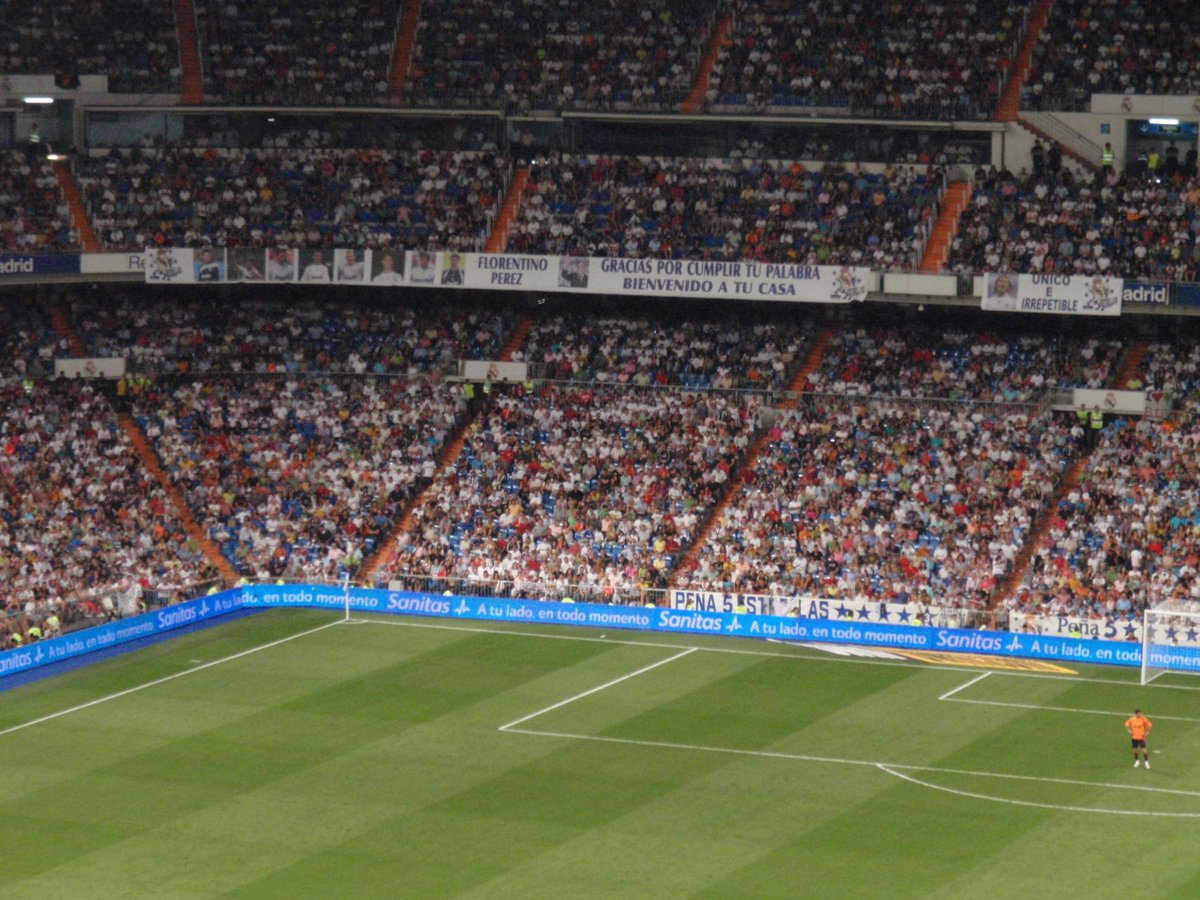
A fully-backed Florentino is a dangerous Florentino for every other La Liga club.
The exit poll from AS tells a story that reverberates far beyond the ballot box. Florentino Pérez commanding 66 percent of the vote—with Riquelme trailing at 34 percent—represents more than a personal vindication. It signals the consolidation of institutional power at a moment when La Liga’s competitive landscape hangs in the balance.
What makes this polling dominance significant isn’t merely the margin, but what it reflects about the Madrid establishment’s grip on Spanish football’s narrative. Florentino’s supporters aren’t voting in a vacuum; they’re endorsing a vision of continuity, stability, and—crucially—the financial architecture that has kept Real Madrid competitive across multiple competitive cycles. In a league where economic leverage increasingly determines on-pitch outcomes, the confidence placed in his leadership carries tangible consequences for rivals.
The exit poll figures, pending mail-in votes, suggest a clear mandate that extends beyond Real Madrid’s boardroom. It validates the institutional direction at a time when Barcelona’s rebuild remains fragile, Atlético Madrid faces transitional uncertainty, and smaller clubs struggle against the gravitational pull of the capital’s resources. Florentino’s polling strength doesn’t just secure his position—it reinforces Madrid’s structural advantage in La Liga’s pecking order.
For fans across Spain’s footballing landscape, this result poses an uncomfortable question: has the concentration of power at the Bernabéu become so complete that it shapes not just trophies, but the very mechanisms through which La Liga’s future will be determined? The numbers suggest that, fairly or otherwise, the answer is increasingly yes.
El Hincha