Kumbulla Hits Back: 'My Professional Commitment Is Not Up for Debate'
Kumbulla Hits Back: 'My Professional Commitment Is Not Up for Debate'
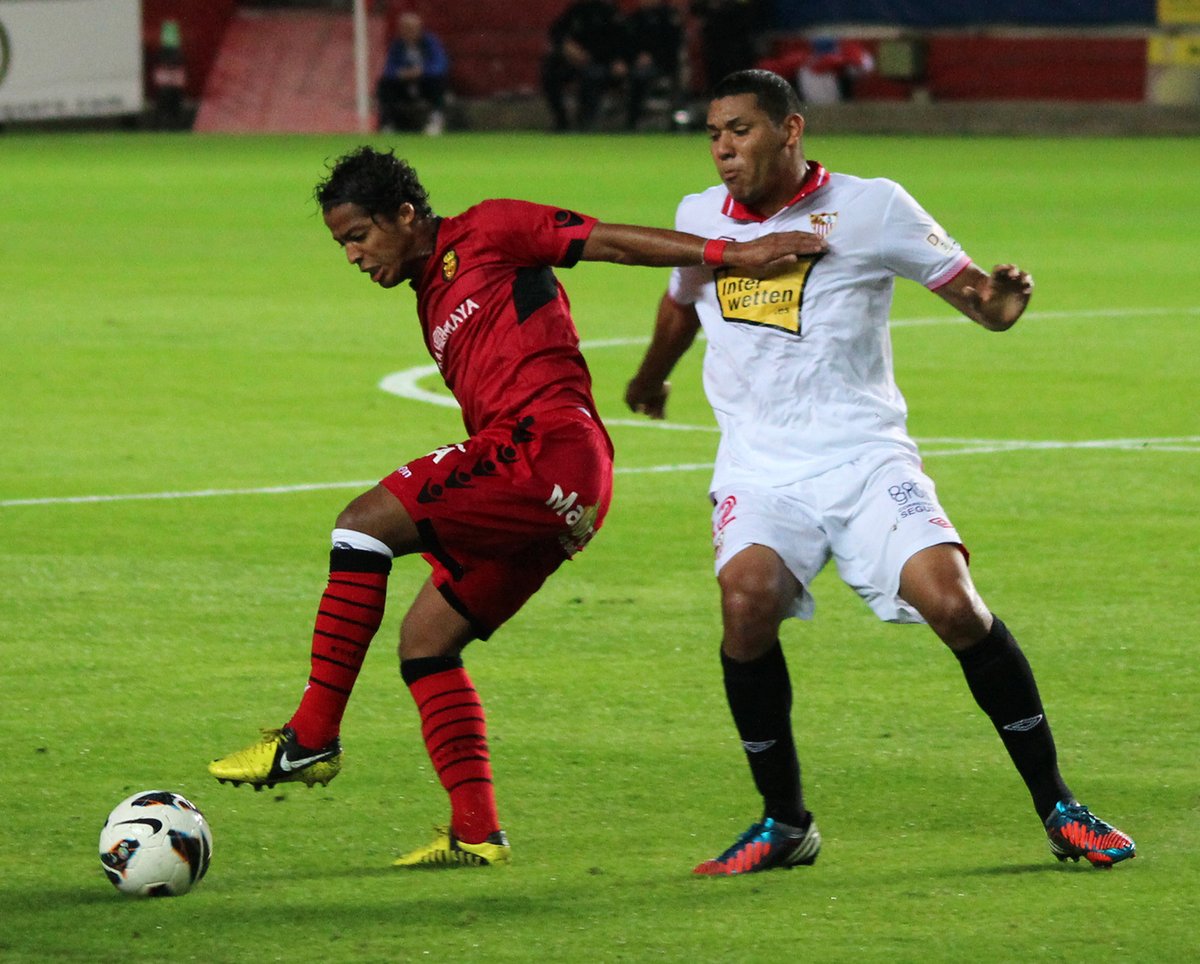
A club that cannot manage its own internal tensions will always struggle to perform when the stakes rise.
Malmö’s locker room is burning, and Alessio Kumbulla isn’t about to let the flames consume his reputation without a fight. The Mallorcan centre-back’s fiery response to accusations levelled by manager Martín Demichelis represents more than just a player defending himself—it signals the fracturing tensions that now threaten to destabilize a squad already teetering on the edge of instability.
The source of the friction is as old as football itself: questions about commitment and professionalism. Demichelis, in what can only be described as a calculated public rebuke, cast doubt on Kumbulla’s involvement with the team. Whether the critique stemmed from tactical positioning, training-ground intensity, or broader attitude concerns remains deliberately vague—and that ambiguity is precisely what makes it so corrosive. In the Spanish football vernacular, when a manager questions a player’s compromiso, they’re not simply critiquing form or fitness. They’re questioning character, and that distinction matters enormously in a culture where honour and dedication are foundational virtues.
Kumbulla’s response was equally pointed. “I don’t permit anyone to question my professional commitment,” he declared, a statement that carries the weight of genuine indignation. The Albanian defender isn’t some fringe player fighting for minutes; he’s an established part of Mallorca’s defensive infrastructure. For him to feel compelled to issue such a forceful public rebuttal suggests the accusation struck at something deeper than a single poor performance or a missed training session.
What makes this situation particularly troubling for Mallorca’s immediate future is the timing and the cascading effect it threatens to create. In May, with the season winding down and squad cohesion already fragile, public disputes between manager and player act like cracks in a dam. Other players watch. They calculate. They wonder whether their own commitment might be questioned next, whether the manager’s patience is wearing thin across the board, whether the unity required to navigate a relegation battle or a fight for European qualification is already compromised.
Demichelis hasn’t built a reputation as a manager who shies away from confrontation—quite the opposite. His tenure at Mallorca has been marked by tactical rigour and an uncompromising approach to discipline. But there’s a fine line between holding players accountable and creating an atmosphere of suspicion and defensiveness. When a manager publicly questions a player’s commitment without providing specific context, he risks poisoning the well for everyone else. Suddenly, every training session becomes performative. Every tactical instruction carries the implicit threat of public criticism. The locker room becomes a place where players are protecting themselves rather than protecting each other.
The broader implications for Mallorca’s squad dynamics are impossible to ignore. If Kumbulla—a regular starter, a player with significant investment in the club—feels the need to publicly defend his professionalism, what does that say about the environment Demichelis has cultivated? Are other players similarly questioning their security? Is there a growing sense that the manager’s trust is conditional and fragile? These are the questions that fester in a locker room when public disputes break out.
There’s also the matter of how this reflects on Demichelis’s leadership. Effective managers know that accountability conversations belong behind closed doors. When they spill into the public sphere, it often indicates that the manager has already lost the ability to control the narrative or enforce discipline through private channels. The fact that Kumbulla felt compelled to respond publicly suggests he wasn’t satisfied with whatever explanation or clarification might have come through internal communication.
Yet we must also consider the possibility that Demichelis identified a genuine problem that needed addressing. Perhaps Kumbulla’s intensity or focus had genuinely slipped. Perhaps the manager saw something in training or in tactical positioning that concerned him. The problem isn’t the identification of the issue—it’s the public manner of the correction. In a sport where perception becomes reality, where confidence is currency, and where a player’s mental state directly affects their on-pitch performance, public criticism can be a blunt instrument that creates more problems than it solves.
For Kumbulla specifically, the damage is already done. Even if this dispute is smoothed over in the coming weeks, the seed of doubt has been planted. Supporters will scrutinize his performances with fresh eyes, looking for evidence of the commitment question that was raised. Opponents will sense any hesitation or uncertainty, knowing that there’s friction in the squad. And most importantly, his relationship with Demichelis has been fundamentally altered. That kind of trust, once fractured, rarely fully heals.
Mallorca’s path forward depends on how both parties handle the aftermath. If Demichelis and Kumbulla can find a way to move past this publicly—through a show of unity, through a return to professional conduct, through demonstrated commitment on the pitch—then perhaps this becomes a footnote rather than a turning point. But if the tension continues to simmer, if other players begin to feel similarly exposed or undervalued, then this moment in May could mark the beginning of a deeper malaise that carries into next season.
The football is ultimately what matters. Kumbulla will defend his commitment through his performances. Demichelis will either rebuild the trust he’s damaged or face the consequences of a fractured squad. But in the meantime, Mallorca’s locker room is a little less unified than it was a week ago, and that’s a luxury no club can afford.
El Hincha