La Liga Transfer Buzz: How This Summer's Maneuvers Could Shift the Title Race
La Liga Transfer Buzz: How This Summer's Maneuvers Could Shift the Title Race
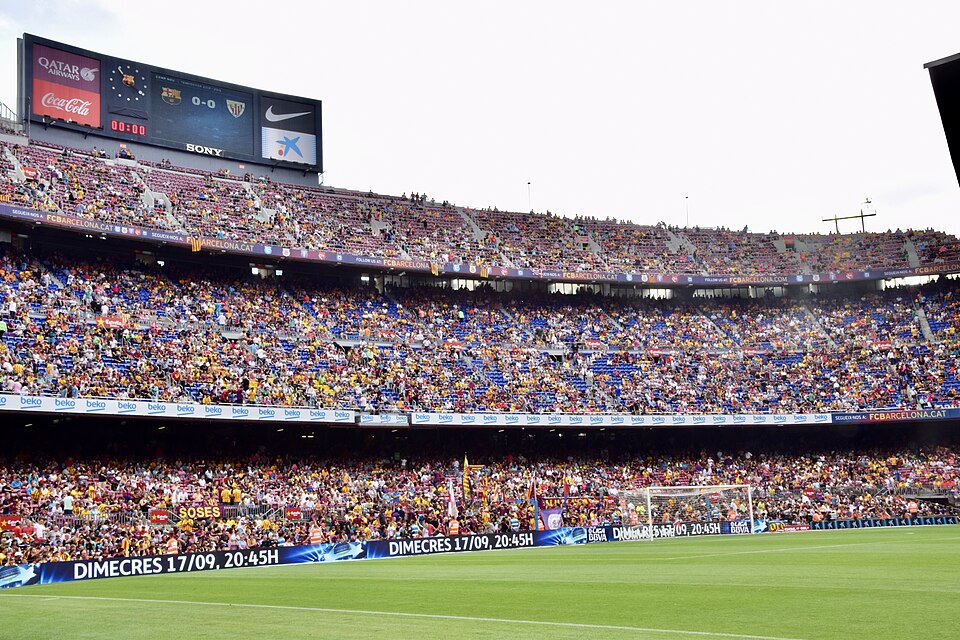
The summer transfer window is upon us, and La Liga is already crackling with the kind of activity that defines a competitive season. As of mid-May 2026, the rumor mill is spinning faster than a Vinicius Jr. counterattack, with clubs making their opening moves in what promises to be a transformative mercado. For those of us who live and breathe Spanish football, these early signals matter enormously—they tell us which teams are serious about challenging for the crown and which are content to settle.
The landscape heading into this window is familiar yet volatile. Real Madrid, as ever, are poised to dominate the headlines. The question isn’t whether they’ll spend—it’s on whom. Barcelona, having stabilized their financial situation over recent seasons, are finally in a position to make marquee signings again. Atlético Madrid, under their perpetual rebuilding cycle, are hunting for that perfect blend of youth and experience. And then there are the pretenders: Real Sociedad, Girona, Athletic Club—teams that have tasted European football and smell opportunity.
What makes this particular window fascinating is the vacuum left by departures. When a player of genuine caliber leaves La Liga, it creates both a rupture and an opportunity. The departures we’re tracking now will shape not just individual clubs but the entire competitive texture of the league. Some of these exits are expected; others will sting in ways that won’t fully materialize until August when the season begins.
For the title race specifically, the mathematics are unforgiving. Madrid and Barcelona will likely remain the favorites by default—their resources and global reach still dwarf most competitors. But a single well-placed signing or a critical departure can tilt the balance. A creative midfielder arriving at Atlético could unlock their defensive prowess into genuine attacking threat. A young left-back departing from a mid-table side could leave them exposed precisely when they need resilience most. These aren’t abstract considerations; they’re the difference between Champions League football and a fight for Europa League qualification.
The transfer window also reveals something deeper about La Liga’s current state. Are we seeing a concentration of talent at the traditional giants, or is there genuine competitive dispersal? Are the ambitious mid-table clubs willing to invest in sustained improvement, or are they content to be occasional challengers? These questions will be answered not just by who arrives, but by who leaves and where they go.
There’s also the matter of philosophy. Clubs like Real Sociedad have built their recent success on developing young talent and maintaining tactical coherence. If key players depart, can they maintain that identity? Conversely, teams like Barcelona are betting that strategic investment in proven talent can accelerate their return to dominance faster than a youth-focused rebuild would allow. These are not merely financial decisions—they’re existential ones about what kind of football club you want to be.
The European context matters too. La Liga clubs returning from European campaigns—those who’ve tasted the Champions League or fought through Europa League—know what gaps exist in their squads. They’ve been exposed to the highest level and can now make targeted improvements. This is where summer windows are won: not through flashy signings, but through precise identification of what you need to compete at the continental level.
As we monitor the comings and goings over the coming weeks, keep your eye on three dynamics. First, watch the midfield movements—this is where La Liga’s competitive balance often tilts. A strong midfielder can transform a team’s entire season. Second, track the departures of academy graduates and youth prospects. These moves often telegraph a club’s medium-term ambitions better than any official statement. Third, pay attention to positions being reinforced by multiple clubs simultaneously. If three La Liga sides are all hunting for a right-back, it tells you something about the market, about identified weaknesses, and about where the next tactical evolution might lead.
The title race won’t be decided by who signs first, but by who signs smartest. And that’s the beautiful tension of the Spanish transfer window—it’s not just about money, though money matters. It’s about vision, timing, and the subtle art of building a team that can sustain excellence across a brutal 38-game season. The moves being made right now, in May 2026, will echo through every tactical battle from August onwards.
This is La Liga’s moment to shape its own future. The window is open, and the stakes have never been clearer.
El Hincha